Books for sale!



|
Beer, ale and Malt Liquor
|
|
old British beer
styles
|
|
Books for sale!
|
||
|
|
| Preamble | ||
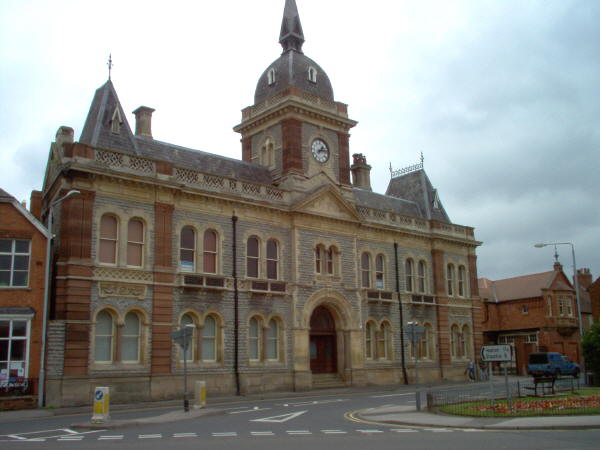 A Beginning
First, I'll you how it all started. With McMullen's AK. A mild. I grew up in the brewing town of Newark-on-Trent. Between school and university, I had a summer job in the last remaining brewery, formerly James Hole & Co., but then romantically called John Smith's (Newark). Already a real ale drinker, the prospect of working in a keg-only plant didn't excite me much. Filling kegs - I didn't dare tell any CAMRA friends about my traiterous occupation. All I day I squirted bright beer into oversized tin cans. Sometimes it was Old Tom; others it was IPA or lager. But the overwhelming majority was Hole's AK. Their standard bitter. |
||
 Hole's AK Bitter Beer
The story I had always been told, was this: AK stood for Arthur King, former head brewer at Hole's and father of the beer. It seemed logical enough. Later, I discovered this explanation demonstrated the brevity of popular memory. So if Hole's AK was named after a former head brewer, why would Mc Mullens have a beer with the same name? A beer which, even more confusingly, was a light mild. Was it just coincidence? Or were the two in some obscure way connected? What did AK really mean? Any answers? These are the questions that prompted my initial interest in beer names and their history. What follows are the answers. And the answers to a load of other questions I thought up on the way. AK is an obsession for me. Not just for beer reasons. AK were also my father's initials. As a beer, it had represented the pinnacle of Newark's brewing tradition. It's unsurprising that those two letters had such a particular resonnace for me. Have I learned AK's real meaning? Read the rest and find out. You don't want me to spoil the ending, do you? |
| Introduction | ||
Understanding old brewing texts There
are two main obstacles to understanding brewing in the past: changes in
the langauge and changes in the methods of classification. To help us around
them, I will explain how British beers were classified by brewers, governors
and drinkers in centuries past. I will also provide precise definitions
of the words they used. I will consider here only the 18th and 19th centuries. There
are two main obstacles to understanding brewing in the past: changes in
the langauge and changes in the methods of classification. To help us around
them, I will explain how British beers were classified by brewers, governors
and drinkers in centuries past. I will also provide precise definitions
of the words they used. I will consider here only the 18th and 19th centuries.
The past is not only a a foreign country, but one where a foreign language is spoken. Without a good understanding of the language used and the specific meaning of certain important words, especially where these differ subtly from modern usage, it's impossible to make any useful analysis of original sources. 18th century English must be treated as a foreign language. And one for which dictionaries are not readily available. Considering the length of time they survived with essentially the same meaning, it's surprising how much confusion the general classifications of British beeer have caused. We like to think of the modern world as a much more orderly place than that the 18th century. It would be expected that, in the scientific times of today, classifications were more consistent, definitions more precise. In the case of British beer the opposite is true. The looseness of current terminology forms a veil of imprecision through which it is difficult to interpret old texts without the utmost care. Why it's so important Not yet convinced? Here are e a couple of examples to illustrate my point. These are the texts of two old advertisements from the Tennant Brothers Brewery in Sheffield. The first reads "Brewers and Bottlers of fine Ales & Stout since 1840". What does "fine Ales" mean exactly? I must have seen this expression thousands of times on old brewery mirrors and windows, yet, like everyone else, I totally misunderstood its meaning. Fine is not used as a synonym for good; it means clear. The word, as both an adjective and noun, was used very specifically by the brewing industry in realtion to the clarification of beer. That's why finings are so called. My second example is "Tennant Brothers, Ale, Porter and Bitter Beer Brewers". A modern drinker is likely to interpret "Porter" and "Bitter Beer" as referring to specific products. What the brewer is really trying to tell us is that he makes beers of all the three general types (or families of styles) current at the time. It's more than likely that there was no product called "Bitter". I will explain this system of classification in more detail below. |
| 18th Century Classifications | |||||||||||||||||||||||||||||||||||||||||||||||||||||||||||||||||||||||||||||||||||||||||||||||||||||||||||||||||||||||||||||||||||||||||||||||||||||||||||||||||||||||||||||||||||||||||||||||||||||||||||||||||||||||||||||||||||||||||||||||||||||||||||||||||||||||||||||||||||||||||||||||||||||||||||||||||||||||||||||||||||||||||||||||||||||||||||||||||||||||||||||||||||||||||||||||||||||||||||||||||||||||||||||||||||||||||||||||||||||||||||||||||||||||||||||||||||||||||||||||
| Beer heavily-hopped. The two main subtypes were:
Ale lightly-hopped. It varied in strength, but was always weaker than the strongest Keeping Beers. Ales were usually drunk as soon as they had cleared, after about 3 or 4 weeks in the cask. The main subdivision was on the colour of the malt used:
Malt Liqour the generic term, encompassing both beer and ale. (Malt Drink was also used.) (Source: "London & Country Brewer", 1736 p.38-43)
Theses are the strengths of ales and beers brewed from brown malt in the 1730's:
You will note that the differentiation between beer and ale had remained unchanged since the introduction of hops in the 16th century. Whilst ales had also adopted the use of hops, the quantity used was so much smaller as to make them readily distiguishable from heavily-hopped beers. In general, beers were hopped at about 4 times the rate of the corresponding ale:
There is another important fact to consider: the distinction between beer and ale was to some extent defined in law. Before the 1819 Weights and Measures Act when a standard barrel size was introduced, in London a barrel of beer was 36 gallons, but a barrel of ale only 32. (Outside London both, ale and beer had been in barrels of 34 gallon until 1819.) As a modern person, accustomed to modern usage, I've found it surprisingly hard whilst writing this piece not to lapse into using the term beer generically. It's indicative of the difficulty of removing ourselves from our contemporary context. You will have noticed that there is no mention of Porter in the above. That's because the source used is describing the situation at about precisely the time Porter suddenly appeared. Information dating from the end of the century, indicates that, at least from a Weights & Measures point of view, Porter was a beer. It was filled into 36 gallon barrels. Here are some ale and beer strengths from around 1760:
Obadiah Poundage's letter of 1760 gives dome fascinating insights into the development of Porter. Just a shame it's mostly been so badly interpreted. Technological advancesThere were some major technological advances in 18th century British brewing:
IndustrialistionIn the second half of the 18th century brewing began to be operated on an industrial scale in London. Before the development of railways, this was only possible in a city of London's size.The largest brewery already produced a very respectable 91,000 hectolitres in 1748. Thirty years later, there were 6 breweries each pumping out more than 100,000 hl.annually. By the end of the century, Whitbread had taken the lead and broken the 300,000 hl barrier. To put this into context, in the 1790's the largest Mumich brewery maanged less than 4,000 hl. These are more detailed figures the big London breweries:
(I have more complete figures in this spreadsheet.) |
|||||||||||||||||||||||||||||||||||||||||||||||||||||||||||||||||||||||||||||||||||||||||||||||||||||||||||||||||||||||||||||||||||||||||||||||||||||||||||||||||||||||||||||||||||||||||||||||||||||||||||||||||||||||||||||||||||||||||||||||||||||||||||||||||||||||||||||||||||||||||||||||||||||||||||||||||||||||||||||||||||||||||||||||||||||||||||||||||||||||||||||||||||||||||||||||||||||||||||||||||||||||||||||||||||||||||||||||||||||||||||||||||||||||||||||||||||||||||||||||
| 19th Century Classifications | ||||||||||||||||||||||||||||||||||||||||||||||||||||||||||||||||||||||||||||||||||||||||||||||||||||||||||||||||||||||||||||||||||||||||||||||||||||||||||||||||||||||||||||||||||||||||||||||||||||||||||||||||||||||||||||||||||||||||||||||||||||||||||||||||||||||||||||||||||||||||||||||||||||||||||||||||||||||||||||||||||||||||||||||||||||||||||||||||||||||||||||||||||||||||||||||||||||||||||||||||||||||||||||||||||||||||||||||||||||||||||||||||||
| 19th Century Brewing English breweries were modern, well-organised and technically proficient by the middle 1800's. William Loftus describes how they brewed in the 1860's in some detail. There were three families of styles: I'll try to explain them, as best I can, in what follows. I make no pretence of understanding exactly what all the letters - X, A, K, etc - used to denote different types of beer meant. But there are definite patterns. Ones which I think help us understand modern British beer styles and, more importantly, the relationships between them. |
||||||||||||||||||||||||||||||||||||||||||||||||||||||||||||||||||||||||||||||||||||||||||||||||||||||||||||||||||||||||||||||||||||||||||||||||||||||||||||||||||||||||||||||||||||||||||||||||||||||||||||||||||||||||||||||||||||||||||||||||||||||||||||||||||||||||||||||||||||||||||||||||||||||||||||||||||||||||||||||||||||||||||||||||||||||||||||||||||||||||||||||||||||||||||||||||||||||||||||||||||||||||||||||||||||||||||||||||||||||||||||||||||
| Bitter Beers
heavily-hopped. As the century progressed, IPA spawned numerous variations. By 1900, most breweries had at least two or three "Bitters" in their range. Beers generally assigned to this family are
English beer names taken from old advertisements Pale Ales This is how IPA was brewed in the 1860's. At the start of its rise to fame, IPA was one or two price classes (2d or 4d a gallon) higher Porters or Ales of the same gravity. The premium price is a sure sign of its renown. As other styles gradually weakened, a trend which hardly touched IPA and EIPA, the price differential was eroded to nearly nothing. PA, the son still living at home with his parents, was less immune to the pressure of higher taxation. Its strength was whittled down from 1066º in 1860 to 1048º in 1914. Then things got serious. Strategies designed to conserve raw materials during WW I and WW II, encouraged brewers to slash the gravities of popular beers the most. By the 1950's most Pale Ales (Young's, for example) had become the standard Bitters of 1036º we know today. AK The weakest members of this family, AK and BB, for example, were amongst the lightest Victorian beers. Even the basic X Ale was stronger. The gravity of AK dropped more than any other style in the 1800's, with the possible exception of Porter. At least some of this was accountable to a change in public taste away from heavy beers. Stock Beer Stock Beer was a strong Beer which was matured for many months or years and then blended with young beers or ales to give them the aged flavour. It was called Stock because a stock of it was kept in the brewery. It was rarely sold just by itself (I've only found a product called Stock Ale or Beer a couple of times in old brewery price lists). The "aged" taste, as was discoverd when it was isolated in 1903 by the Dane Niels Hjelte Claussen (who worked at the Carlsberg brewery in Copenhagen), came from the action of Brettanomyces. Experiments in Britain the early 1900's showed that when a finished pasteurised beer was innoculated with Brettanomyces it acquired the typical aged taste within 10 to 14 days. The application of this technique would have made the production of Stock Beers much quicker and more reliable. Except that the demand for such beers had all but evaporated by the start of the 20th century. This is a paper presented to the Institute of Brewing in 1904 by Claussen explaining the role of Brettanomyces in the production of Stock Beers (reproduced with permission from the Journal of the Institute of Brewing). Pure Yeast Cultures In "Brewing Science and Practice: Volume II Brewing Processes" (H. Lloyd Hind, London, 1940, pages 800-802) there's another interesting passage about Hansens work with single-cell yeast strains. It discusses experiments at the Worthington brewery in Burton in the 1880's brewing beer with pure strains. The conclusion was that pure strains did not produce better than mixed strains and ib fact had some disadvanatges during secondary fermentation, such as conditioning more slowly in the cask and producing beers which did not age well. It was not recommened for use in beers that were to be kept more than 6 weeks after racking. It says that at the time (1940) only a handful of British brewers used pure strains. |
||||||||||||||||||||||||||||||||||||||||||||||||||||||||||||||||||||||||||||||||||||||||||||||||||||||||||||||||||||||||||||||||||||||||||||||||||||||||||||||||||||||||||||||||||||||||||||||||||||||||||||||||||||||||||||||||||||||||||||||||||||||||||||||||||||||||||||||||||||||||||||||||||||||||||||||||||||||||||||||||||||||||||||||||||||||||||||||||||||||||||||||||||||||||||||||||||||||||||||||||||||||||||||||||||||||||||||||||||||||||||||||||||
| Ale The descendent of Britain's pre-hop brews, Ales were still considerably more lightly-hopped than Bitter Beers. Most breweries made several, their relative strength indicated the number of X's in their name.
English beer names taken from old advertisements The weakest Old Ale was basically the same brew as the strongest Mild Ale, just more heavily-hopped and aged. Long storage in oak vats infected with Brettanomyces produced the "English taste" demanded by drinkers in the early part of the century. Later, the public shifted its affections to younger, weaker brews. By 1900, most Ale was drunk "mild".
|
||||||||||||||||||||||||||||||||||||||||||||||||||||||||||||||||||||||||||||||||||||||||||||||||||||||||||||||||||||||||||||||||||||||||||||||||||||||||||||||||||||||||||||||||||||||||||||||||||||||||||||||||||||||||||||||||||||||||||||||||||||||||||||||||||||||||||||||||||||||||||||||||||||||||||||||||||||||||||||||||||||||||||||||||||||||||||||||||||||||||||||||||||||||||||||||||||||||||||||||||||||||||||||||||||||||||||||||||||||||||||||||||||
| Porter
Porter was the generic term used to cover all porters and stouts. Here's how Porter was brewed in the 1860's.
English beer names taken from old advertisements The strength of Porter and Stout Early London Porters were strong beers by modern standards. Early trials with the hydrometer in the 1770's recorded Porter as having an OG of 1071° and 6.6% ABV. Increased taxation during the Napoleonic War pushed its gravity down to around 1055°, where it remained for the rest of the 19th century. The huge popularity of the style prompted brewers to produce Porters in a wide variety of strengths. These started with Single Stout Porter at around 1070°, Double Stout Porter at 1085°, Triple Stout Porter at 1095° and Imperial Stout Porter at 1100° and more. As the 19th century progressed the Porter suffix was gradually dropped. British brewers, however, continued to use Porter as the generic term for both Porters and Stouts. Griffin Brewery
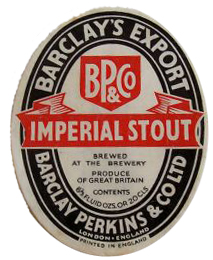
The move from Brown to Pale malt The large London Porter breweries pioneered many technological advances, such as the use of the thermometer (about 1760) and the hydrometer (1770). The use of the latter was to transform the nature of Porter. The first Porters were brewed from 100% Brown Malt. Now brewers were able to accurately measure the yield of the malt they used, it was noticed that Brown Malt, though cheaper than Pale Malt, only produced about two thirds as much fermentable material. When the malt tax was increased to help pay for the Napoleonic War, brewers had an incentive to use less malt. Their solution was to use a proportion of Pale Malt and add colouring to obtain the expected hue. When a law was passed in 1816 allowing only malt and hops to be used in the production of beer (a sort of British Reinheitsgebot) they were left in a quandry. Their problem was solved by Wheeler´s invention of patent malt in 1817. It was now possible to brew Porter from 95% Pale Malt and 5% patent malt, though most London brewers continued to use some Brown Malt for flavour. Anchor Brewery (Barclay Perkins)In the early decades of the 19th century, Barclay Perkins was not just the largest brewery in London, but the largest in the world. It brewed on a massive scale. Look below at the size of their 1812 brews - 1200 barrels (around 2,000 hl) or more. That's more than many micros brew in a year.
|
||||||||||||||||||||||||||||||||||||||||||||||||||||||||||||||||||||||||||||||||||||||||||||||||||||||||||||||||||||||||||||||||||||||||||||||||||||||||||||||||||||||||||||||||||||||||||||||||||||||||||||||||||||||||||||||||||||||||||||||||||||||||||||||||||||||||||||||||||||||||||||||||||||||||||||||||||||||||||||||||||||||||||||||||||||||||||||||||||||||||||||||||||||||||||||||||||||||||||||||||||||||||||||||||||||||||||||||||||||||||||||||||||
Whitbread |
||||||||||||||||||||||||||||||||||||||||||||||||||||||||||||||||||||||||||||||||||||||||||||||||||||||||||||||||||||||||||||||||||||||||||||||||||||||||||||||||||||||||||||||||||||||||||||||||||||||||||||||||||||||||||||||||||||||||||||||||||||||||||||||||||||||||||||||||||||||||||||||||||||||||||||||||||||||||||||||||||||||||||||||||||||||||||||||||||||||||||||||||||||||||||||||||||||||||||||||||||||||||||||||||||||||||||||||||||||||||||||||||||
Truman, Hanbury and Buxton (Black Eagle Brewery) |
||||||||||||||||||||||||||||||||||||||||||||||||||||||||||||||||||||||||||||||||||||||||||||||||||||||||||||||||||||||||||||||||||||||||||||||||||||||||||||||||||||||||||||||||||||||||||||||||||||||||||||||||||||||||||||||||||||||||||||||||||||||||||||||||||||||||||||||||||||||||||||||||||||||||||||||||||||||||||||||||||||||||||||||||||||||||||||||||||||||||||||||||||||||||||||||||||||||||||||||||||||||||||||||||||||||||||||||||||||||||||||||||||
| From "stale" to "mild" Until about 1800, all London Porter was matured in large vats (often holding several hundred barrels) for between six and eighteen months before being racked into smaller casks to be delivered to pubs. It was discovered that it was unnecessary to age all Porter. A small quantity of highly aged beer (18 months or more) mixed with fresh or "mild" Porter produced a flavour similar to that of aged beer. It was a cheaper method of producing Porter, as less beer needed to be stored for long periods. The normal blend was around two parts young beer to one part old. After 1860, as the popularity of both Porter and the aged taste began to wane, Porter was increasingly sold "mild". In the final decades of the century many breweries discontinued their Porter, though continued to brew one or two stouts. Those which did still persist with Porter brewed it weaker and with fewer hops. Between 1860 and 1914 the gravity dropped from 1055° to 1040° and the hopping rate from two pounds to one pound per 36 gallon barrel. It was a mere shadow of the beer which had once been so respected and admired. The disaster of 1917 During the First World War in Britain, shortages of grain led to restrictions on the production of strong beer. Less strict rules were applied in Ireland allowing Irish brewers such as Guinness to take advantage and dominate the bottled Stout market. However, most English breweries continued to brew draught stouts until Second World War and beyond. They were considerably weaker than the pre-war versions (down from 1055º-1060° to 1040-1042°) and around the strength that Porter had been in 1914. Porter, with its srength slot now occupied by Single Stout, slowly withered away. The last English Porters were brewed around 1940. A couple of Stouts remained part of a brewery's portfolio, even when Porter had gone. A new type of low-gravity, bottled Stout appeared, equivalent to Light Bitter. But strong Stout didn't disappear - many varities were brewed until WW I. A few - like Courage Russian Stout or Bass P2 - managed to survive even that. English beer names, strengths and wholesale price 1860 - 1900. Transcripts of of interviews with publicans and brewers conducted by socioliogist Charles Booth provide a fascinating glimpse into London pubs in the 1890's. |
| Specifications of beers from the Hammond Brewery, Bradford 1903 | ||||||||
| X | XX | XXX | XXXX (Old Tom) | XXXXX (Stingo) | BB | Porter | ||
| OG | 1042º | 1044º | 1055º | 1071º | 1100º | 1051º | 1055º | |
| FG | 1010.4º | 1010.9º | 1012º | 1013.7º | 1027.3º | 1012.6º | 1019.1º | |
| ABV (%) | 4.1% | 4.3% | 5.6% | 7.5% | 9.5% | 5% | 4.7% | |
| Bitterness EBU | 34 | 40 | 55 | 72 | 119 | 48 | 56 | |
| Source: "Yeasts of Yesterday" by Dr. Keith Thomas in "The Journal of Brewery History", No. 105, Autumn 2001 Notes: ABV and EBU calculated by Dr. Thomas. |
||||||||
| Grist of beers from the Hammond Brewery, Bradford 1903 (in %age) | |||||||
| Malt type | X | XX | XXX | XXXX (Old Tom) | XXXXX (Stingo) | BB | Porter |
| Yorks Pale malt | 34.2 | 24.1 | 24.5 | 39.5 | 48.7 | 15.6 | 31.3 |
| Chilean Pale malt | 26.6 | 24.7 | 19.1 | 17.4 | 20.5 | 42.7 | 16.7 |
| Foreign Pale malt | 11.8 | 19.2 | 19.1 | 12.4 | 12.5 | 17.4 | |
| Crystal malt | 11.1 | ||||||
| Maize | 16.8 | 13.4 | 15.5 | 15.1 | 13.9 | ||
| Black Malt | 0.8 | 0.8 | 5.2 | ||||
| Glucose | 10.7 | 9.4 | 17.5 | 2.4 | |||
| Invert Sugar | 9.4 | 21.8 | 14.8 | 24.3 | 19.4 | ||
| Source: "Yeasts of Yesterday" by Dr. Keith Thomas in "The Journal of Brewery History", No. 105, Autumn 2001 Notes: It's mentioned in Dr. Thomas's text that caramel was sometimes added to the Old Tom, Stingo and Porter presumably for colour adjustment, but never making up more than 1.5% of the grist. |
|||||||
| The 20th Century | |||||||||||||||||||||||||||||||||||||||||||||||||||||||||||||||||||||||||||||||||||||||||||||||||||||||||||||||||||||||||||||||||||||||||||||||||||||||||||||||||||||||||||||||||||||||||||||||||||||||||||||||||||||||||||||||||||||||||||||||||||||||||||||||||||||||||||||||||||||||||||||||||||||||||||||||||||||||||||||||||||||||||||||||||||||||||||||||||||||||||||||||||||||||||||||||||||||||||||||||||||||||||||||||||||||||||||||||||||||||||||||||||||||||||||||||||||||||||||||||||||||||||||||||||||||||||||||||||||||||||||||||||||||||||||||||||||||||||||||||||||||||||||||||||||||||||||||||||||||||||||||||||||||||||||||||||||||||||||||||||||||||||||||||||||||||||||||||||||||||||||||||||||||||||||||||||||||||||||||||||||||||||||||||||||||||||||||||||||||||||||||||||||||||||||||||||||||||||||||||||||||||||||||||||||||||||||||||||||||||||||||||||||||||||||||||||||||||||||||||||||||||||||||||||||||||||||||||||||||||||||||||||||||||||||||||||||||||||||||||||||||||||||||||||||||||||||||||||||||||
World War I
|
|||||||||||||||||||||||||||||||||||||||||||||||||||||||||||||||||||||||||||||||||||||||||||||||||||||||||||||||||||||||||||||||||||||||||||||||||||||||||||||||||||||||||||||||||||||||||||||||||||||||||||||||||||||||||||||||||||||||||||||||||||||||||||||||||||||||||||||||||||||||||||||||||||||||||||||||||||||||||||||||||||||||||||||||||||||||||||||||||||||||||||||||||||||||||||||||||||||||||||||||||||||||||||||||||||||||||||||||||||||||||||||||||||||||||||||||||||||||||||||||||||||||||||||||||||||||||||||||||||||||||||||||||||||||||||||||||||||||||||||||||||||||||||||||||||||||||||||||||||||||||||||||||||||||||||||||||||||||||||||||||||||||||||||||||||||||||||||||||||||||||||||||||||||||||||||||||||||||||||||||||||||||||||||||||||||||||||||||||||||||||||||||||||||||||||||||||||||||||||||||||||||||||||||||||||||||||||||||||||||||||||||||||||||||||||||||||||||||||||||||||||||||||||||||||||||||||||||||||||||||||||||||||||||||||||||||||||||||||||||||||||||||||||||||||||||||||||||||||||||||
Between the Wars
|
|||||||||||||||||||||||||||||||||||||||||||||||||||||||||||||||||||||||||||||||||||||||||||||||||||||||||||||||||||||||||||||||||||||||||||||||||||||||||||||||||||||||||||||||||||||||||||||||||||||||||||||||||||||||||||||||||||||||||||||||||||||||||||||||||||||||||||||||||||||||||||||||||||||||||||||||||||||||||||||||||||||||||||||||||||||||||||||||||||||||||||||||||||||||||||||||||||||||||||||||||||||||||||||||||||||||||||||||||||||||||||||||||||||||||||||||||||||||||||||||||||||||||||||||||||||||||||||||||||||||||||||||||||||||||||||||||||||||||||||||||||||||||||||||||||||||||||||||||||||||||||||||||||||||||||||||||||||||||||||||||||||||||||||||||||||||||||||||||||||||||||||||||||||||||||||||||||||||||||||||||||||||||||||||||||||||||||||||||||||||||||||||||||||||||||||||||||||||||||||||||||||||||||||||||||||||||||||||||||||||||||||||||||||||||||||||||||||||||||||||||||||||||||||||||||||||||||||||||||||||||||||||||||||||||||||||||||||||||||||||||||||||||||||||||||||||||||||||||||||||
After WW II
Brown Ale and Stout Here are more (lots more) details of Brown Ales and Stouts in the period 1940 to 1960.
Do you want to know why Michael Jackson could find no reference to "bitter" in old brewing manuals? Because in breweries it was almost always referred to as PA or Pale Ale. But it was "a pint of bitter" that regulars would ask for in their local - at least as far back as WW I. |
|||||||||||||||||||||||||||||||||||||||||||||||||||||||||||||||||||||||||||||||||||||||||||||||||||||||||||||||||||||||||||||||||||||||||||||||||||||||||||||||||||||||||||||||||||||||||||||||||||||||||||||||||||||||||||||||||||||||||||||||||||||||||||||||||||||||||||||||||||||||||||||||||||||||||||||||||||||||||||||||||||||||||||||||||||||||||||||||||||||||||||||||||||||||||||||||||||||||||||||||||||||||||||||||||||||||||||||||||||||||||||||||||||||||||||||||||||||||||||||||||||||||||||||||||||||||||||||||||||||||||||||||||||||||||||||||||||||||||||||||||||||||||||||||||||||||||||||||||||||||||||||||||||||||||||||||||||||||||||||||||||||||||||||||||||||||||||||||||||||||||||||||||||||||||||||||||||||||||||||||||||||||||||||||||||||||||||||||||||||||||||||||||||||||||||||||||||||||||||||||||||||||||||||||||||||||||||||||||||||||||||||||||||||||||||||||||||||||||||||||||||||||||||||||||||||||||||||||||||||||||||||||||||||||||||||||||||||||||||||||||||||||||||||||||||||||||||||||||||||||
| Sources: "The Brewer"by William Loftus, 1863 English beer names, strengths and wholesale price 1860 - 1900. "London & Country Brewer", 1736 A list of English beer names taken from various old advertisements and one of my main sources. Chemical analyses of various American, British and continental beers between 1850 and 1900 from "American Handy Book of Brewing , Malting and Auxiliary Trades", by Wahl & Henius, Chicago 1902 "Brewing Science and Practice: Volume II Brewing Processes" by H. Lloyd Hind, 1940, London "The Principles and Practices of Brewing" by Walter J. Sykes and Arthur R. Ling, 1907, London "A History of Beer and Brewing" by Ian S Hornsey, 2003, Cambridge. |
|||||||||||||||||||||||||||||||||||||||||||||||||||||||||||||||||||||||||||||||||||||||||||||||||||||||||||||||||||||||||||||||||||||||||||||||||||||||||||||||||||||||||||||||||||||||||||||||||||||||||||||||||||||||||||||||||||||||||||||||||||||||||||||||||||||||||||||||||||||||||||||||||||||||||||||||||||||||||||||||||||||||||||||||||||||||||||||||||||||||||||||||||||||||||||||||||||||||||||||||||||||||||||||||||||||||||||||||||||||||||||||||||||||||||||||||||||||||||||||||||||||||||||||||||||||||||||||||||||||||||||||||||||||||||||||||||||||||||||||||||||||||||||||||||||||||||||||||||||||||||||||||||||||||||||||||||||||||||||||||||||||||||||||||||||||||||||||||||||||||||||||||||||||||||||||||||||||||||||||||||||||||||||||||||||||||||||||||||||||||||||||||||||||||||||||||||||||||||||||||||||||||||||||||||||||||||||||||||||||||||||||||||||||||||||||||||||||||||||||||||||||||||||||||||||||||||||||||||||||||||||||||||||||||||||||||||||||||||||||||||||||||||||||||||||||||||||||||||||||||
| Example 19th century advertisements | |||||||||||||||||||||||||||||||||||||||||||||||||||||||||||||||||||||||||||||||||||||||||||||||||||||||||||||||||||||||||||||||||||||||||||||||||||||||||||||||||||||||||||||||||||||||||||||||||||||||||||||||||||||||||
I would have scans here of the originals. Except it's someone
else's copyright. So these are my html recreations of Victorian adverts.
Notes: D.S. I interpret as Double Stout S. Stout I interpret as Single Stout Money: For those of you unused to pre-decimal currenct d. = penny s. = shilling 12 pence (pennies) = 1 shilling = 5p (modern money) 20 shillngs = £1 Measures: lb = pound = 454 grams Quarter malt = 320 pounds = 8 bushels barrel = 36 UK gallons = 163.7 litres kilderkin = 18 UK gallons firkin = 9 UK gallons gallon = 4 quarts = 8 pints = 4.546 litres |
|||||||||||||||||||||||||||||||||||||||||||||||||||||||||||||||||||||||||||||||||||||||||||||||||||||||||||||||||||||||||||||||||||||||||||||||||||||||||||||||||||||||||||||||||||||||||||||||||||||||||||||||||||||||||
| Brettanomyces, as described in "The Principles and Practices of Brewing" by Walter J. Sykes and Arthur R. Ling, 1907, London. | ||
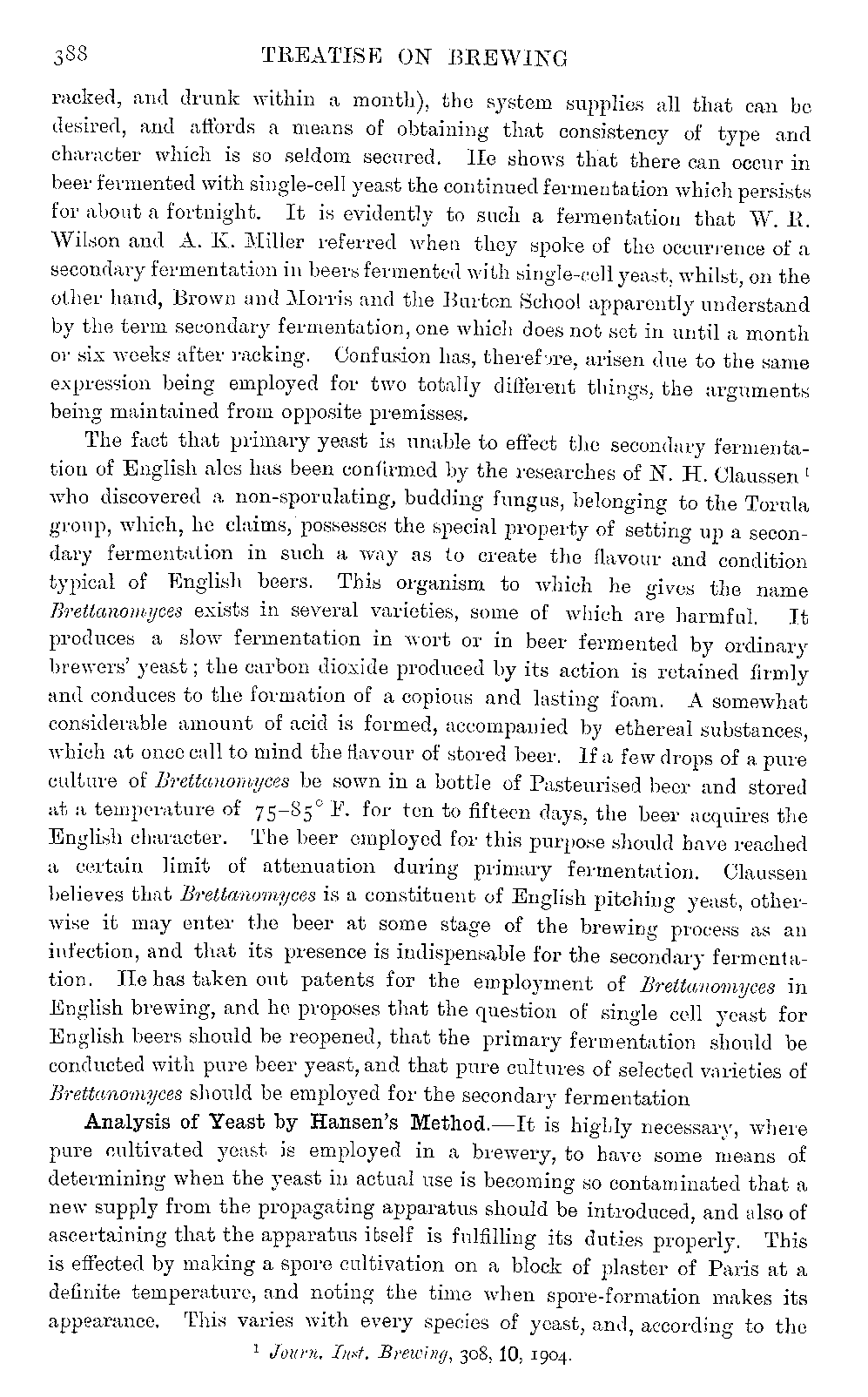 |
||
| Brettanomyces, as described in "Brewing Science and Practice: Volume II Brewing Processes" by H. Lloyd Hind, 1940, London. | ||
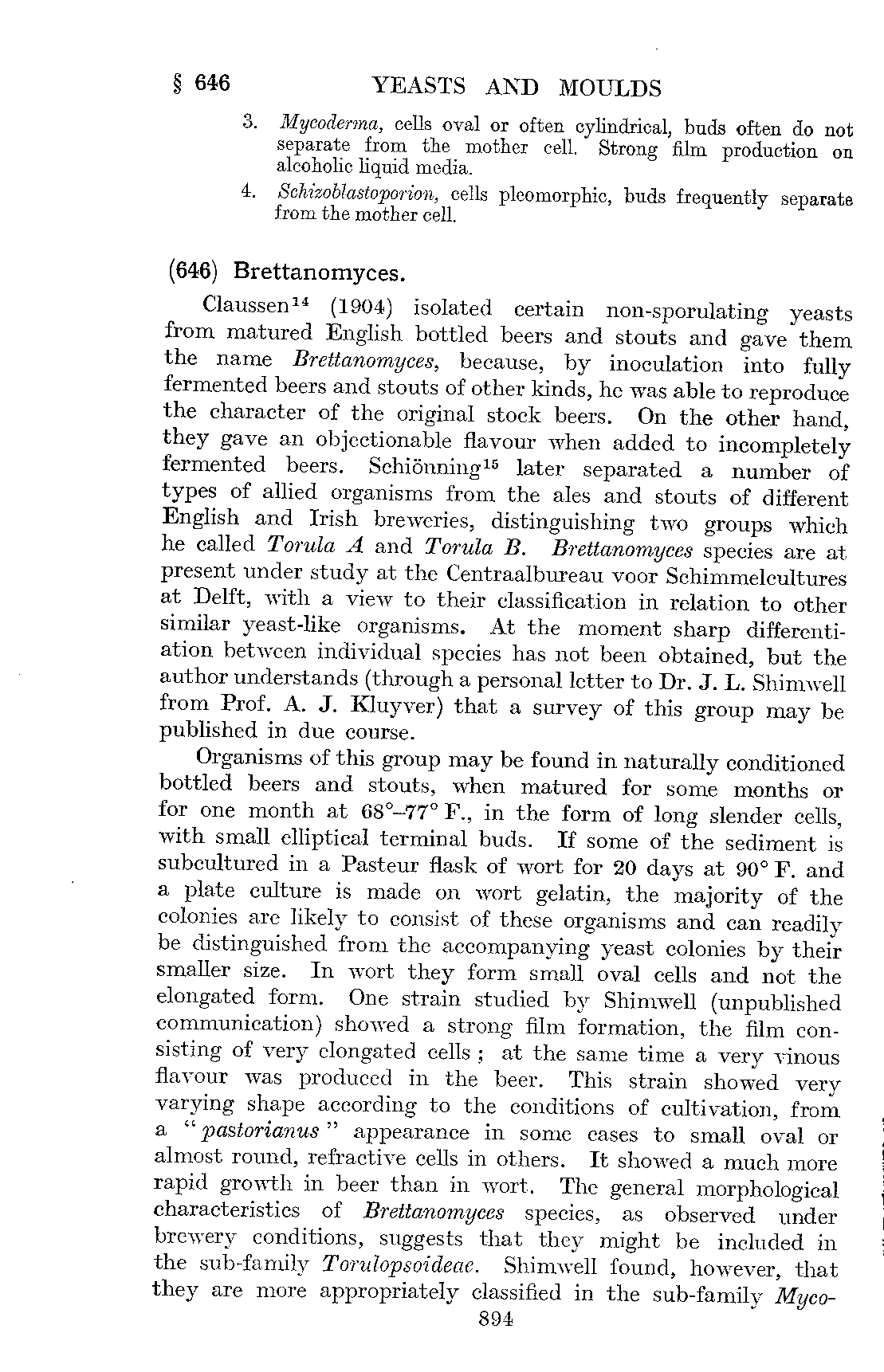 |
||
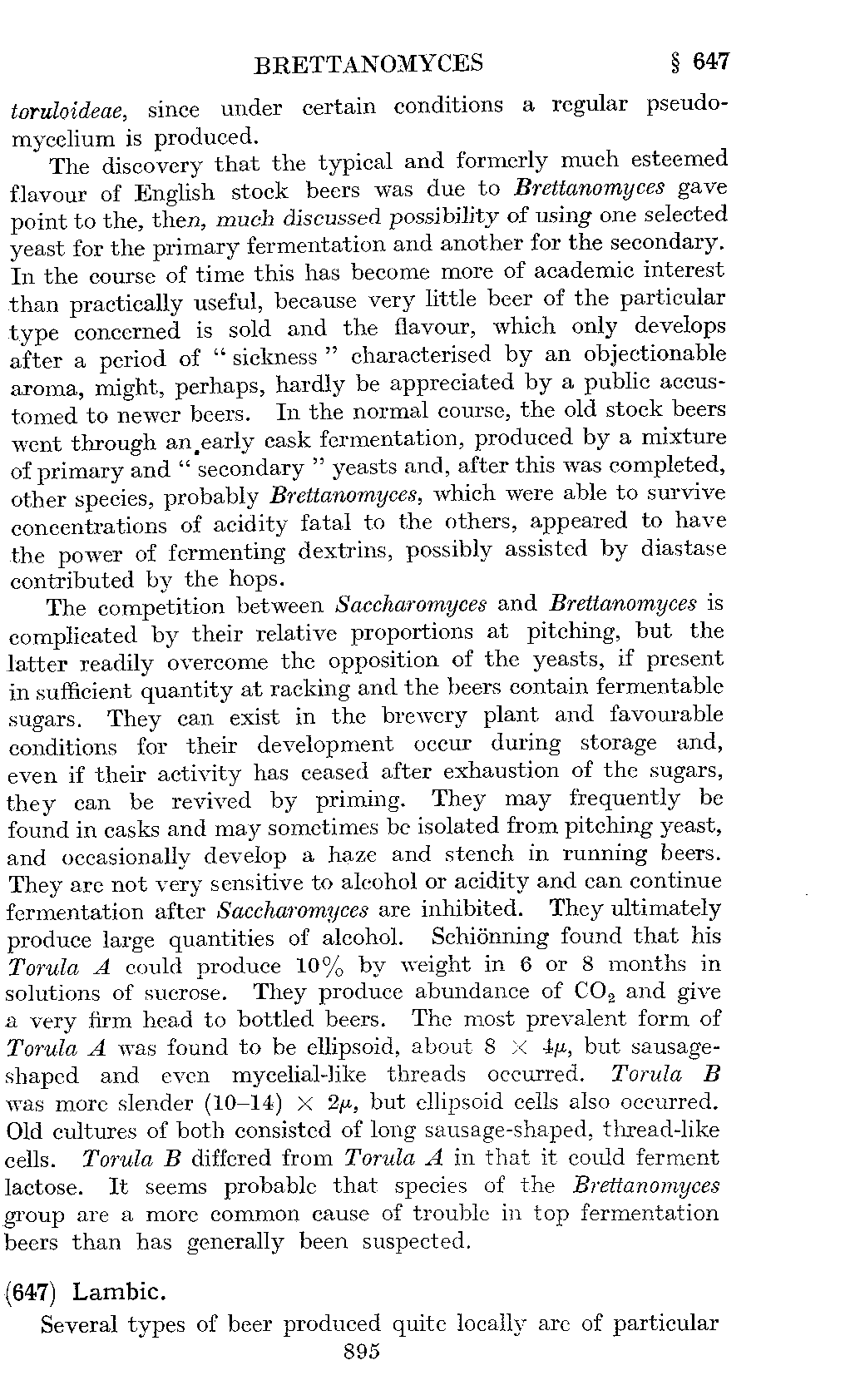 |
||
| India Pale Bitter Ale brewing according to William Loftus in "The Brewer", 1863 | ||
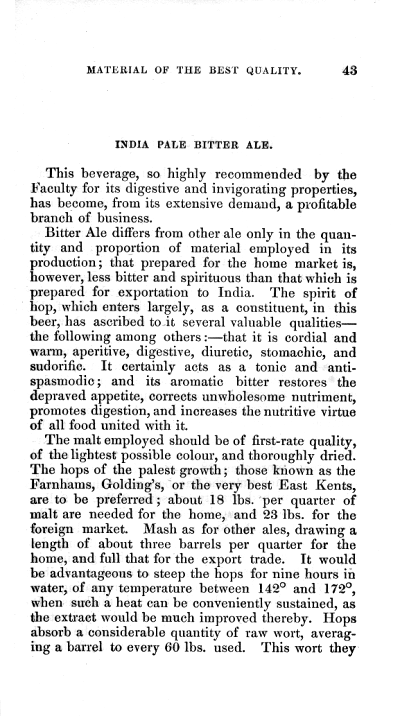 |
 |
|
 |
||
| Notes: "The Brewer" William Loftus, London, 1863 OG = (pounds per barrel * 2.77) + 1000 |
||
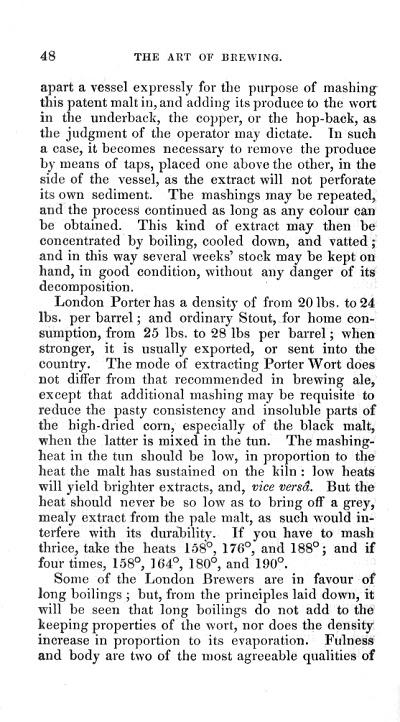
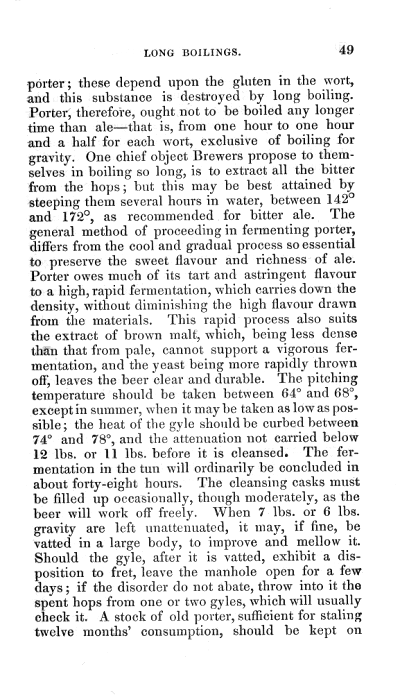
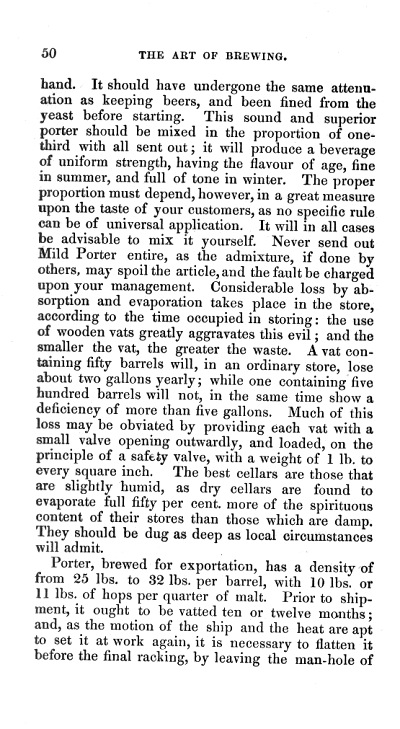
| Porter brewing according to William Loftus in "The Brewer", 1863 | |
|
 |
 |
 |
 |
 |
 |
|
| Notes: "The Brewer" William Loftus, London, 1863 OG = (pounds per barrel * 2.77) + 1000 |
|
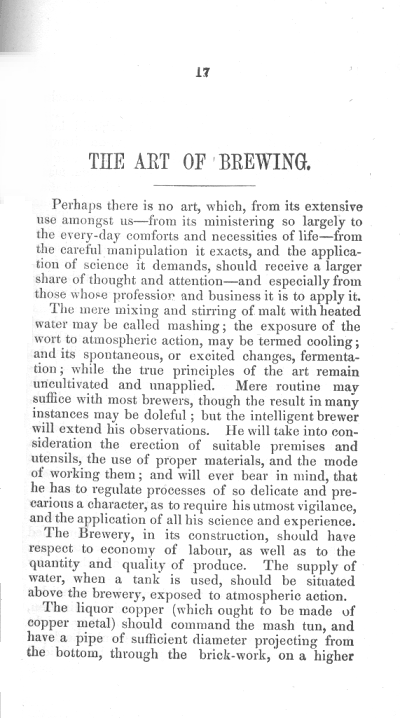
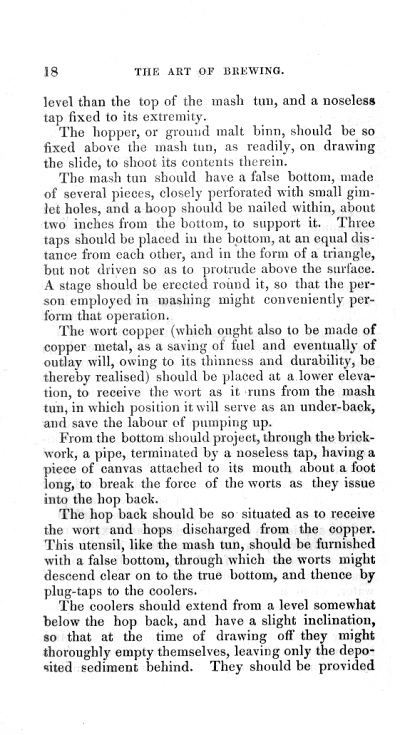
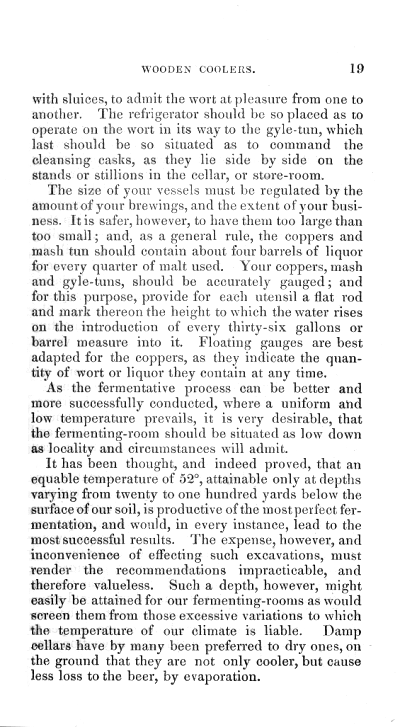
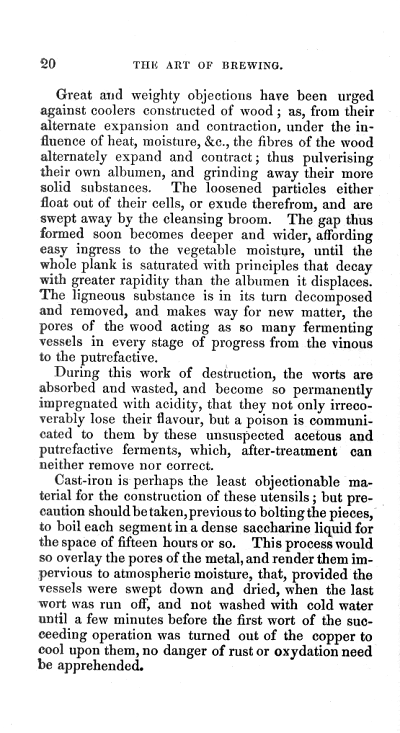
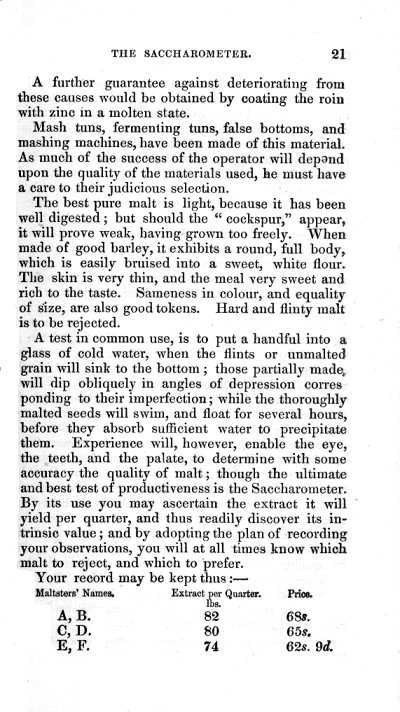
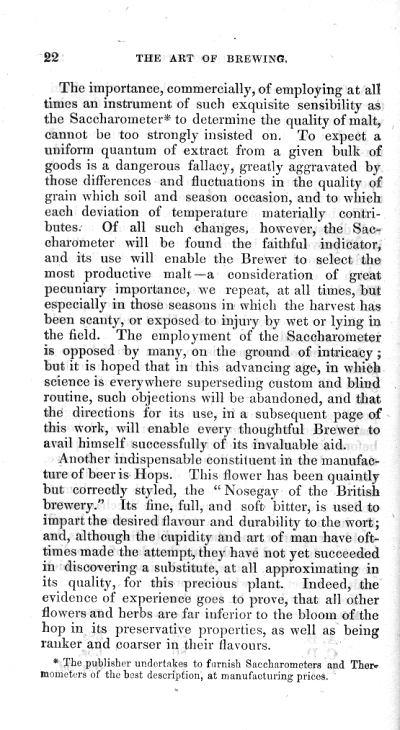
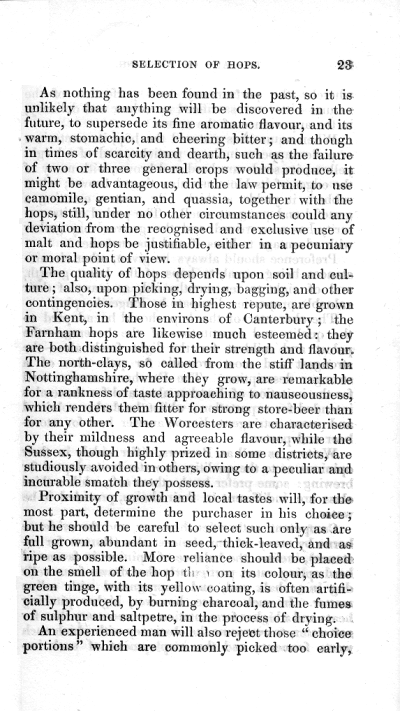
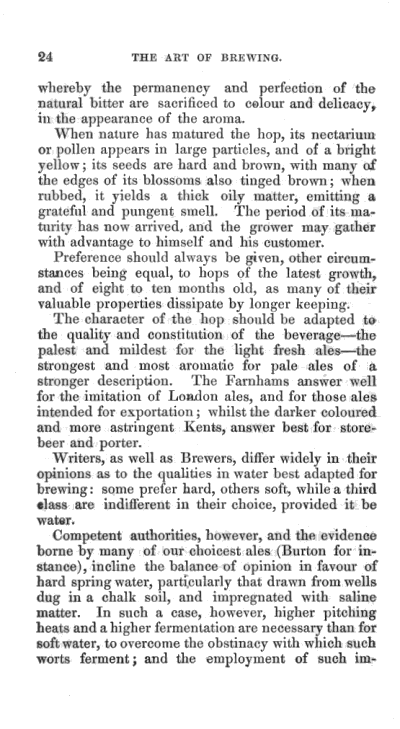
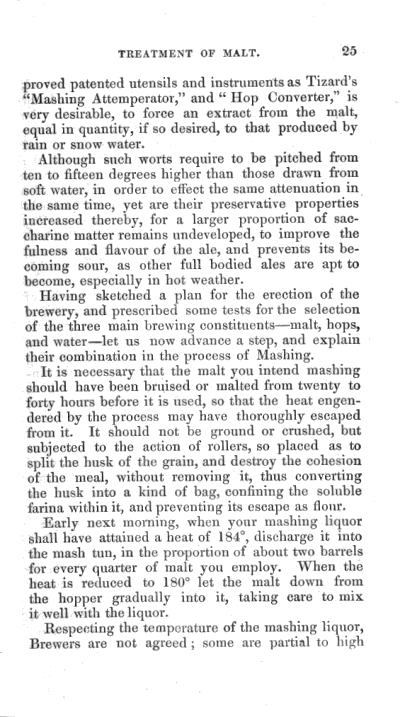
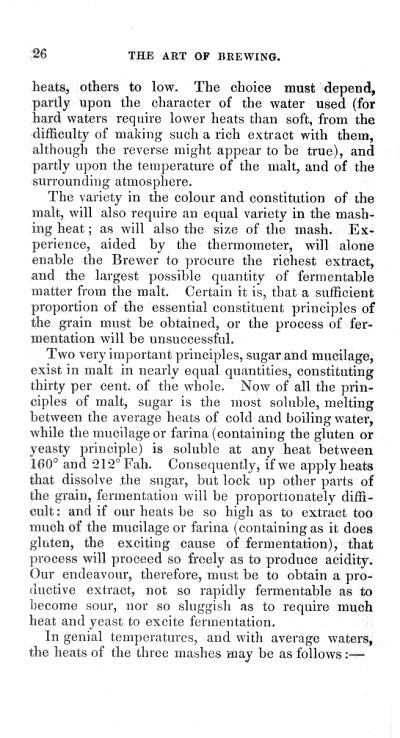
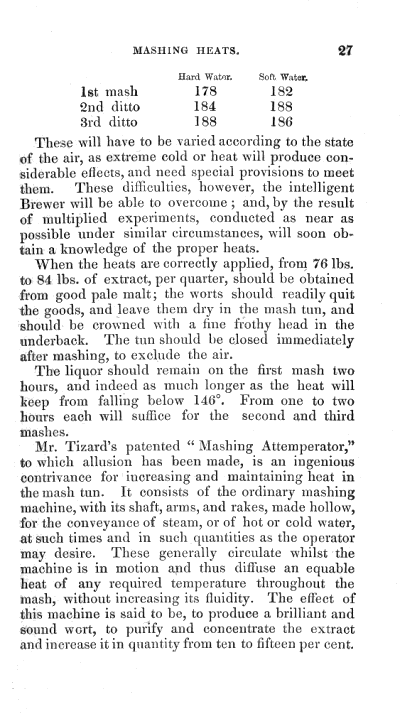
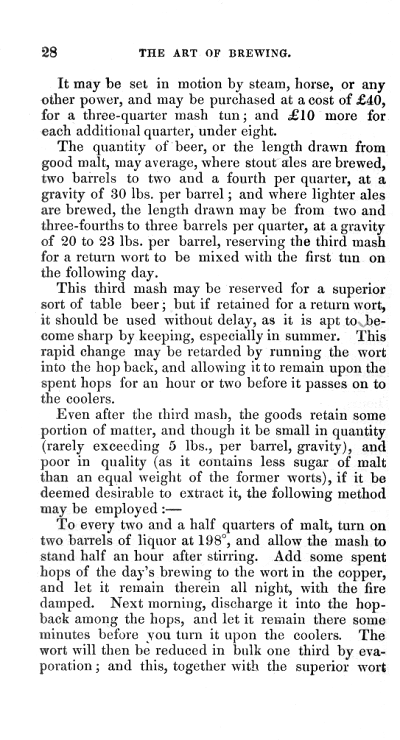
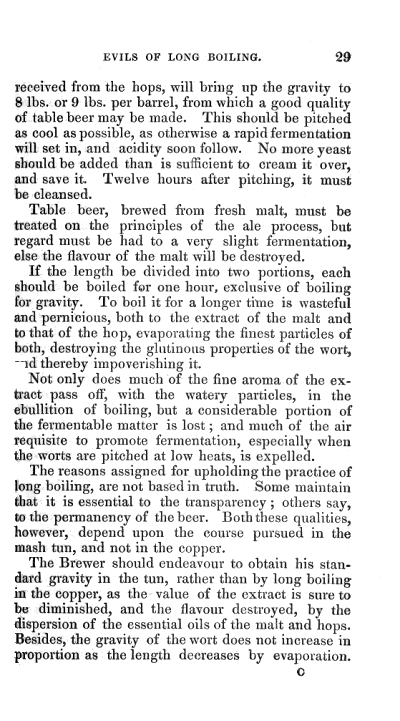
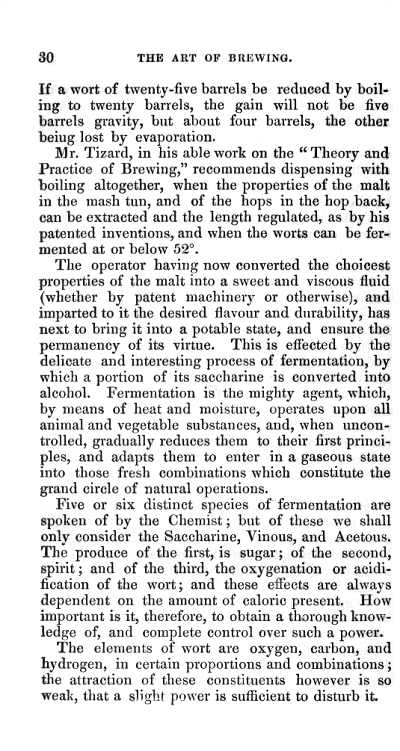
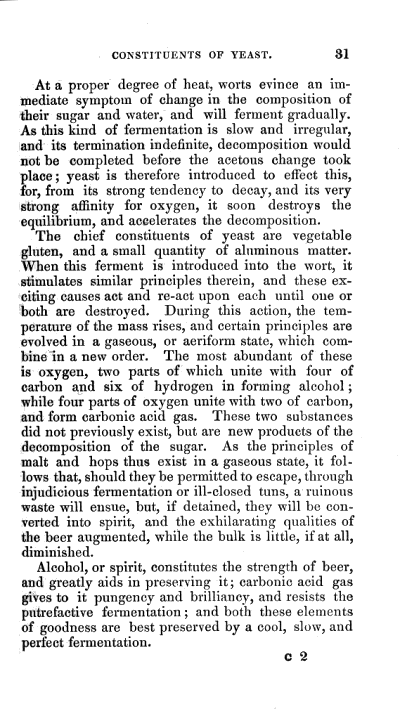
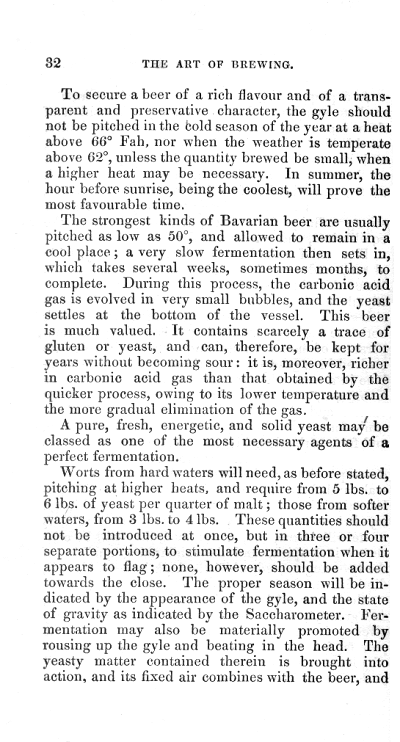
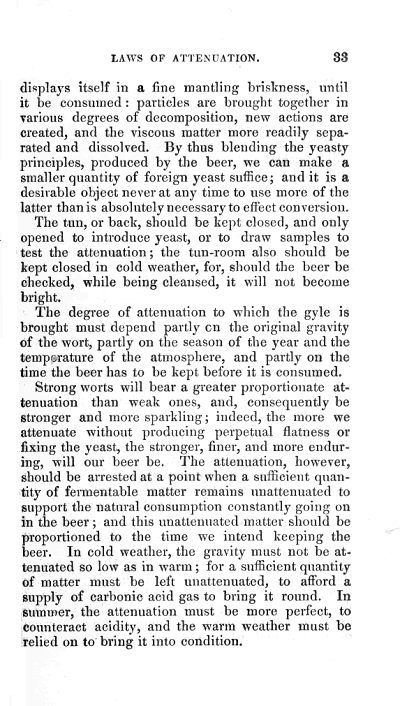
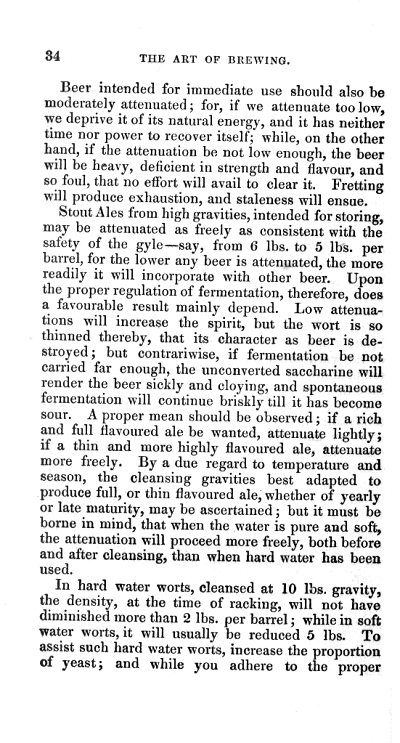
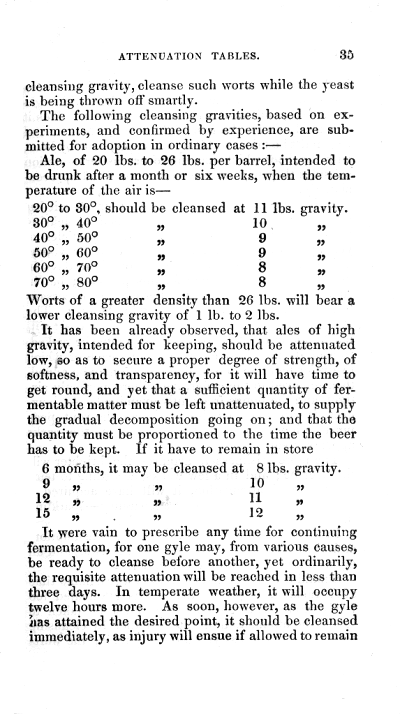
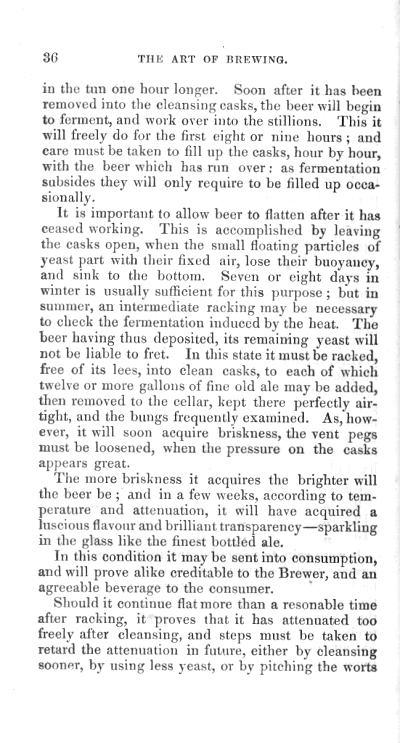
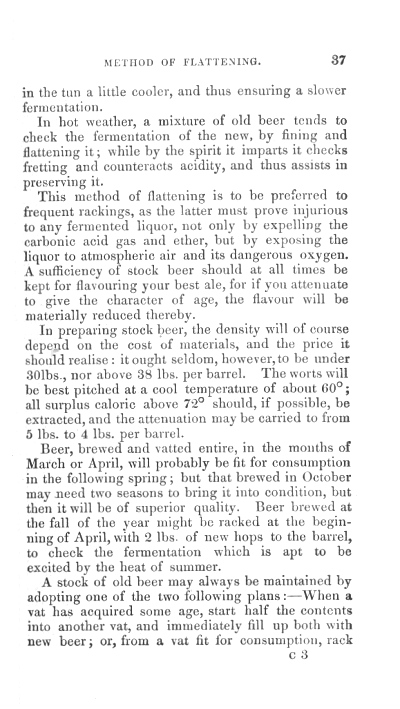
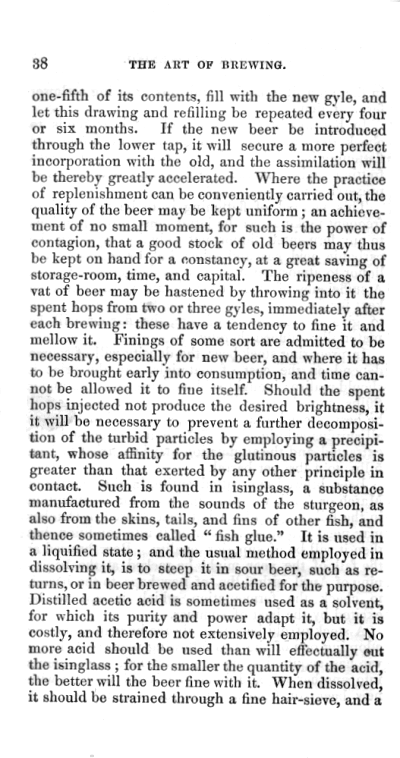
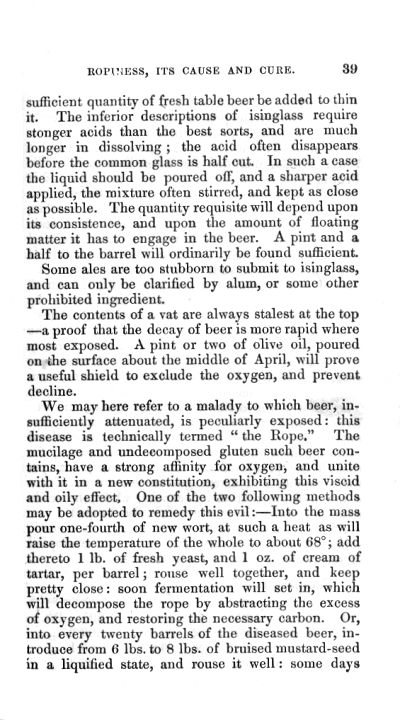
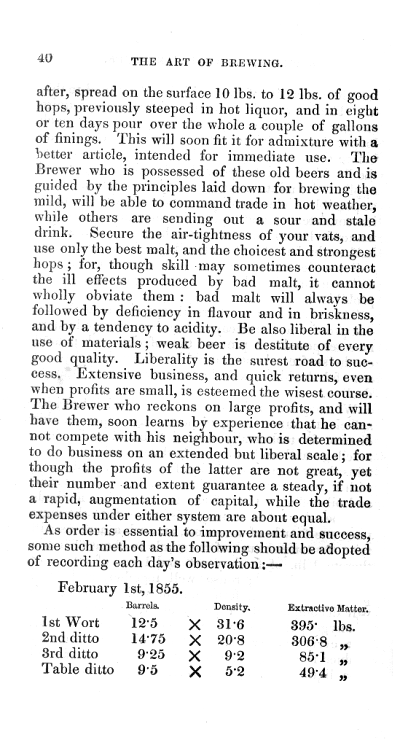
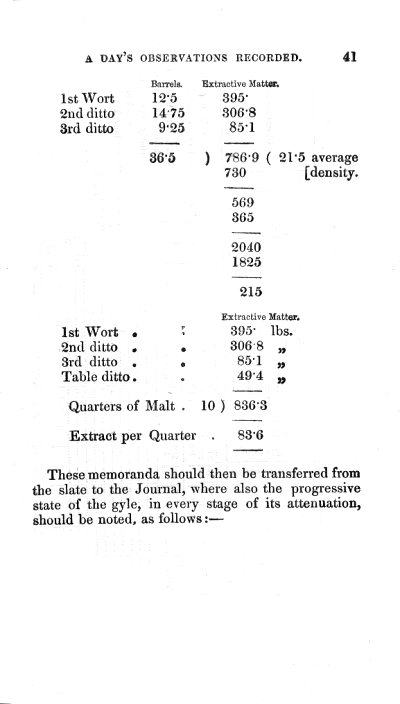
| The Art of Brewing according to William Loftus in "The Brewer", 1863 | |
 |
 |
 |
 |
 |
 |
 |
 |
 |
 |
 |
 |
 |
 |
 |
 |
 |
 |
 |
 |
 |
 |
 |
 |
 |
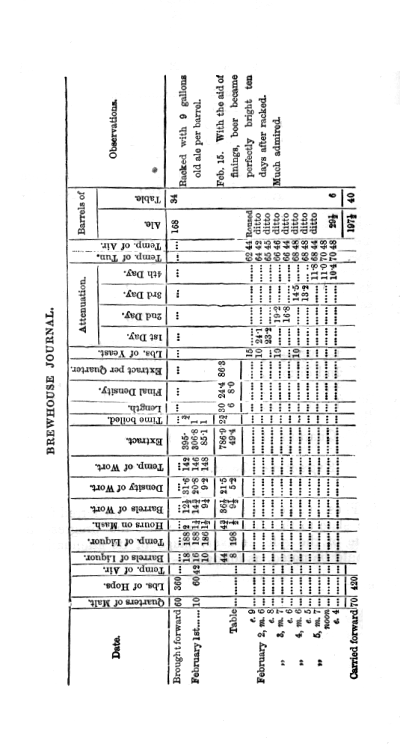 |
| Notes: "The Brewer" William Loftus, London, 1863 OG = (pounds per barrel * 2.77) + 1000 |
|
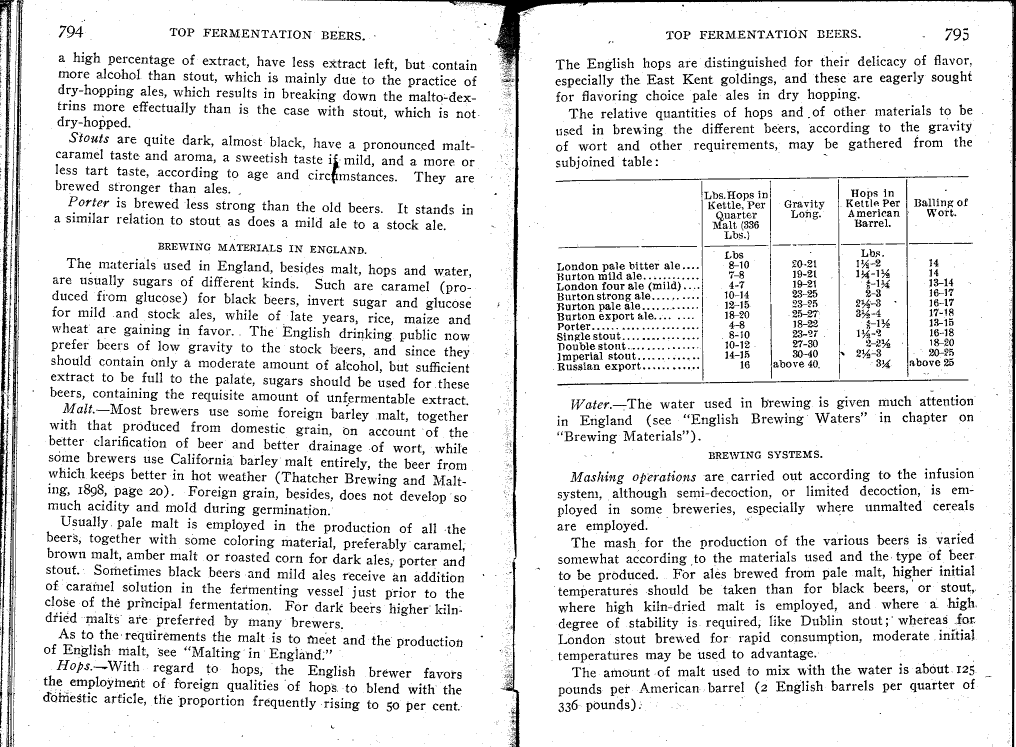
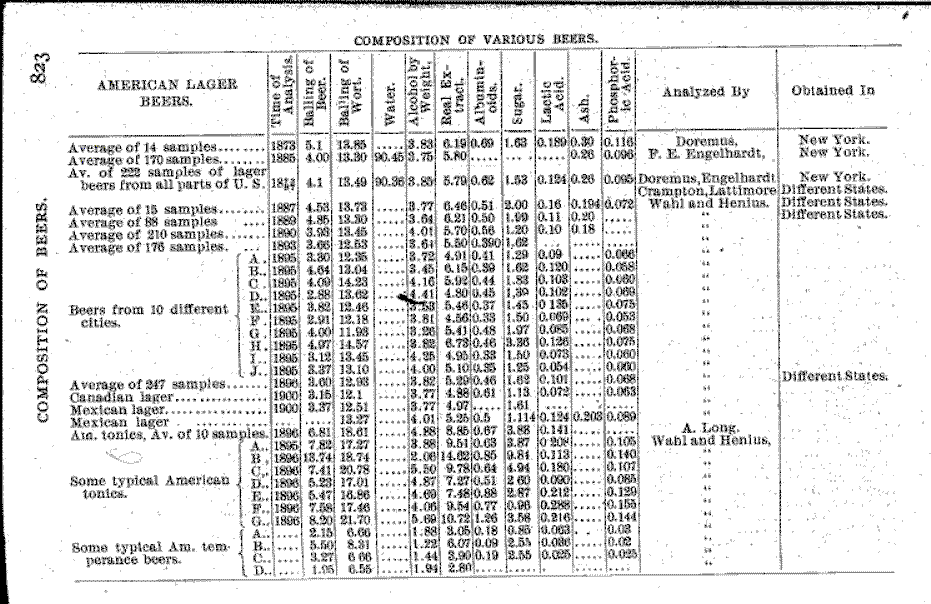
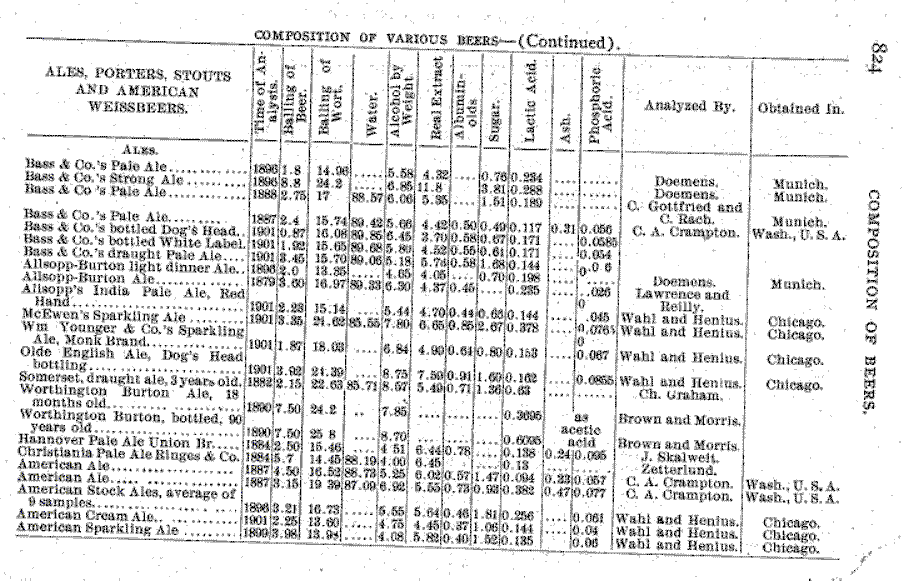
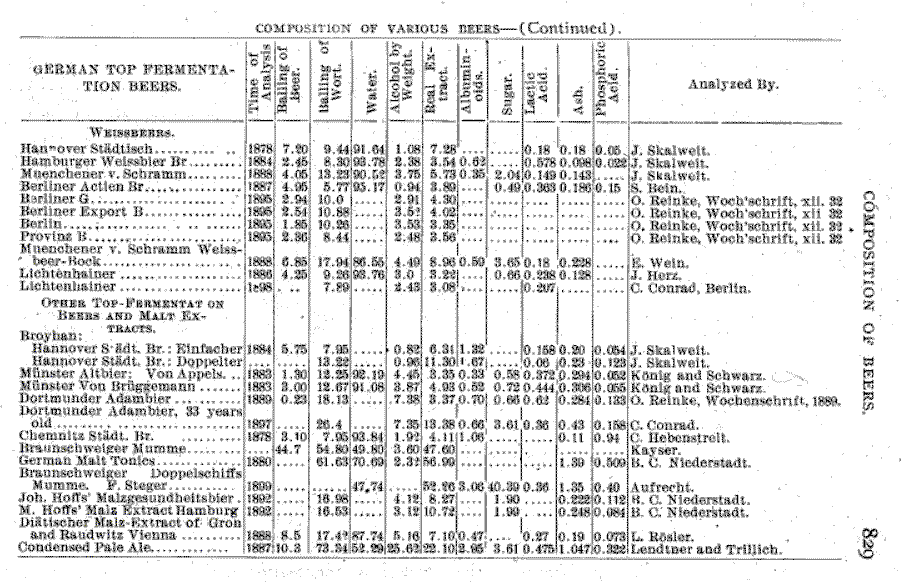
| "American Handy Book of Brewing , Malting and Auxiliary Trades", by Wahl & Henius, Chicago 1902 |
 |
 |
 |
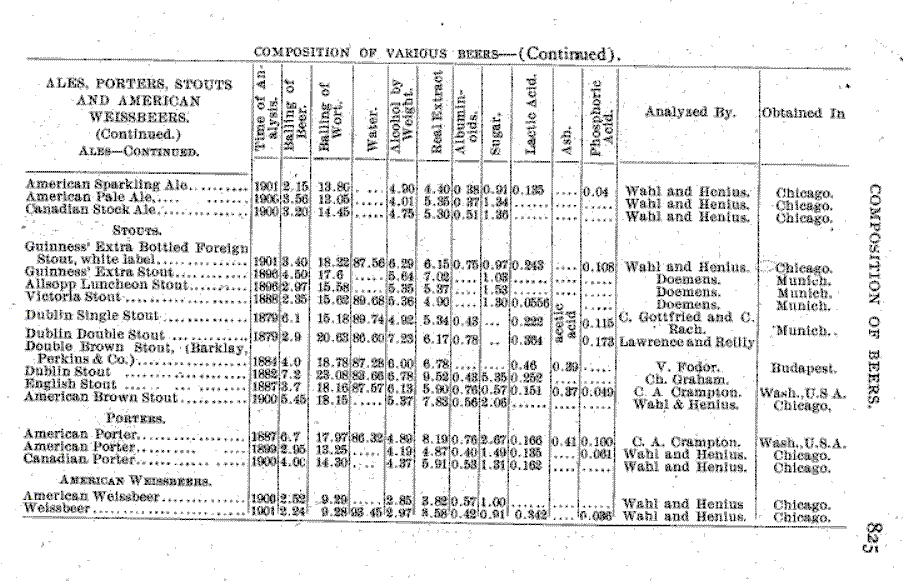 |
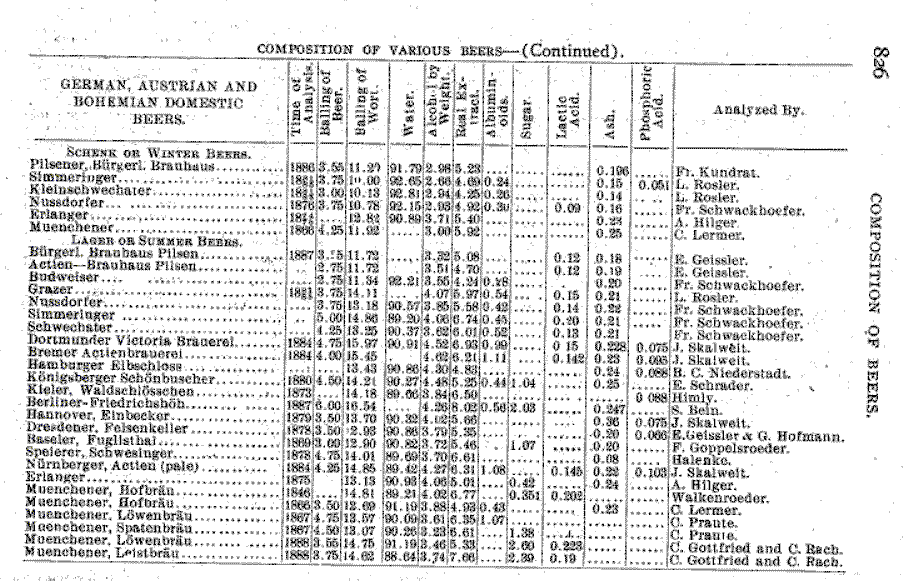 |
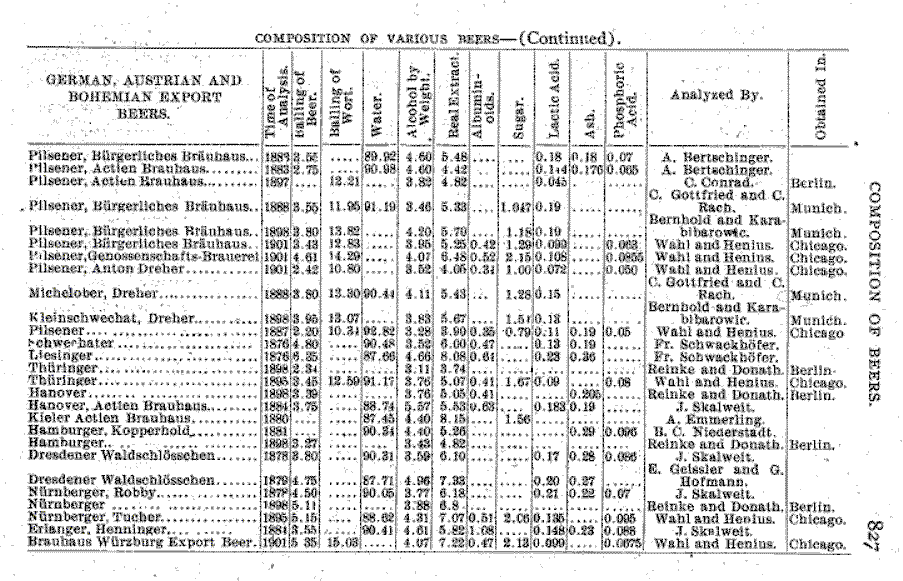 |
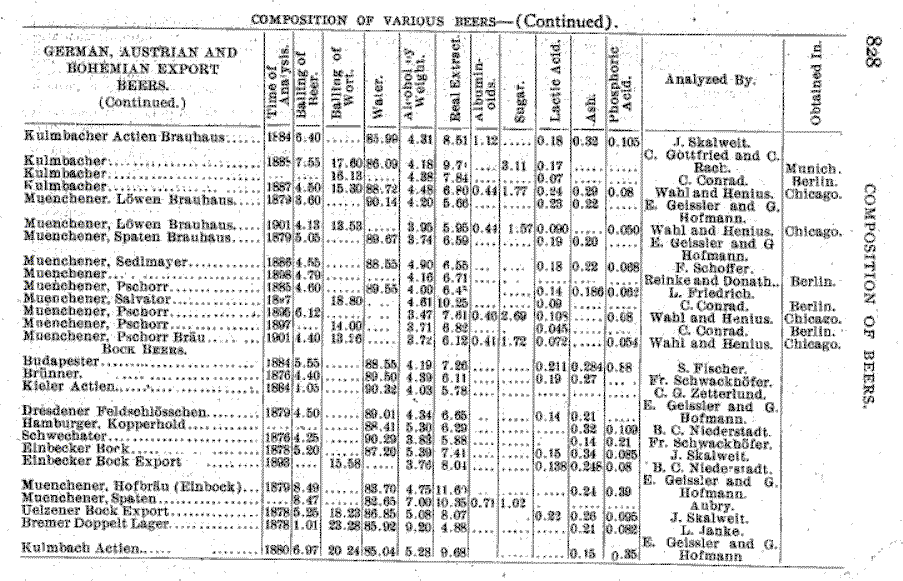 |
 |
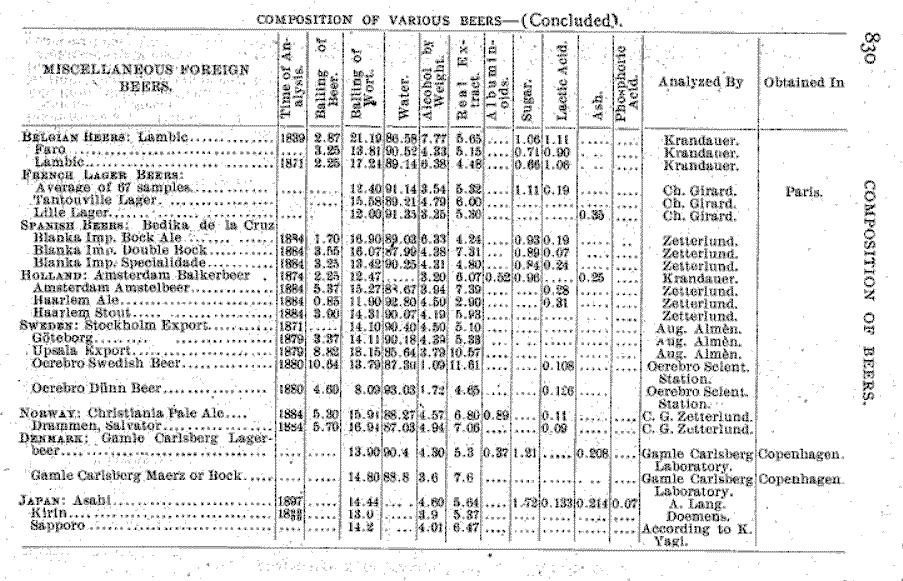 |
| Notes: "American Handy Book of Brewing , Malting and Auxiliary Trades", by Wahl & Henius, Chicago 1902 |
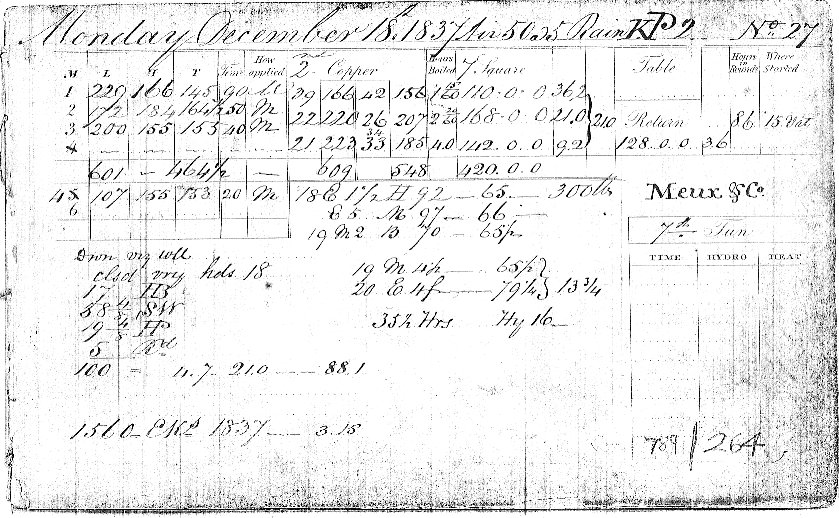
| Reid Brewing Logs from 1837-1838 for Keeping Porter |
 |
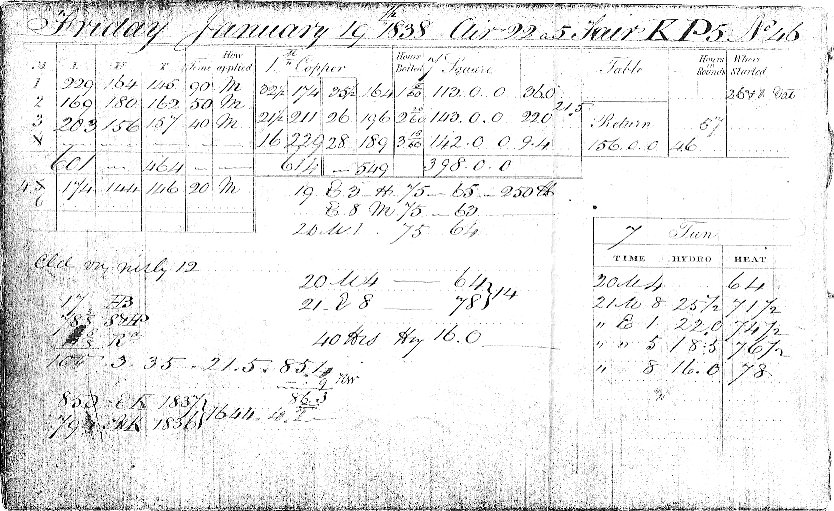 |
| Source: Reid brewing logs from the City of Westminster archive. |
| 1936 and 1938 Brewing Logs, brewery unknown, for XX XXX, LB, and Stout |
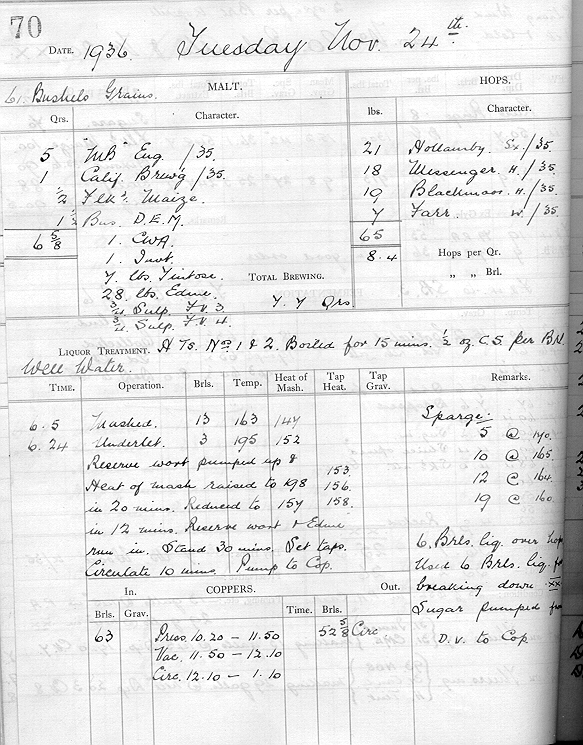 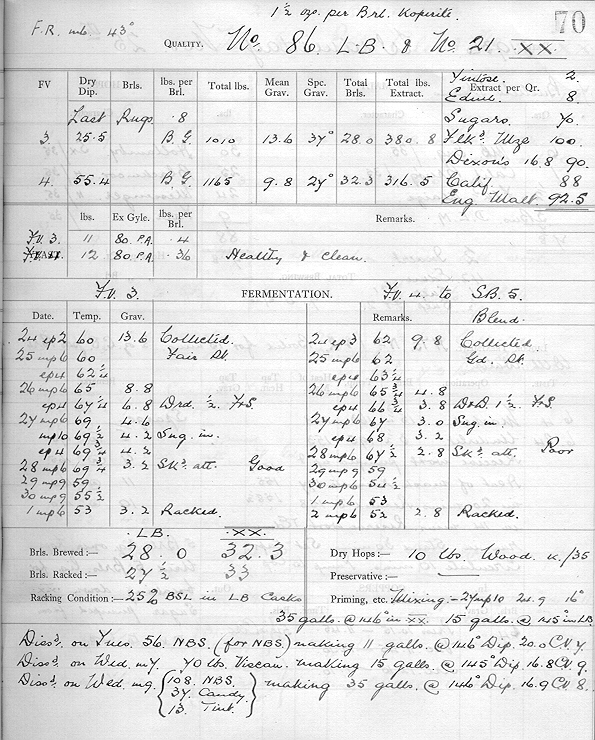 |
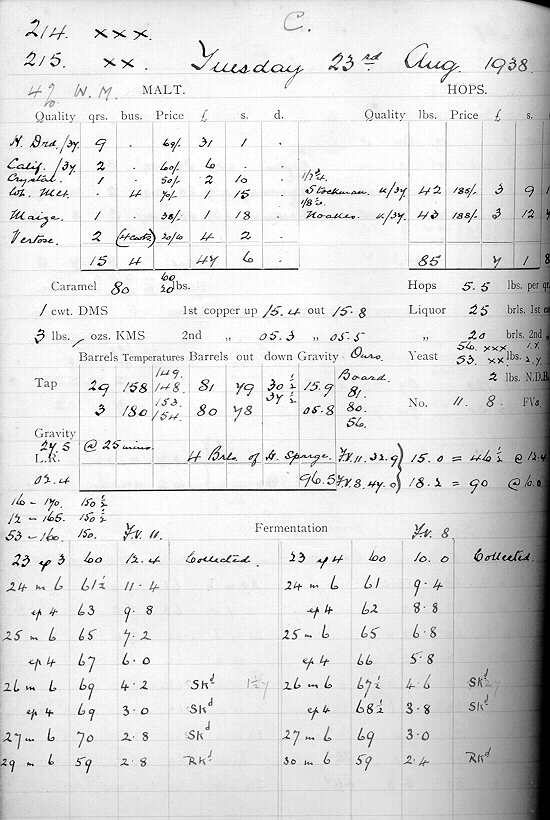 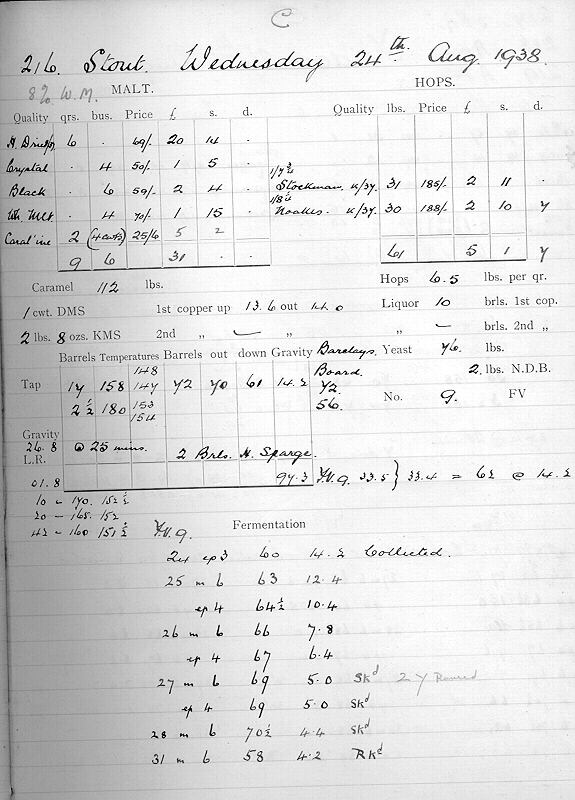 |
| Source: Unknown brewery log. |
© Ron Pattinson 2004 - 2010
All articles and photos on these pages (unless otherwise
stated) are property of Ron Pattinson. If you would like permission to reproduce
either on your own site or in a book, please contact me first.
 These
figures demonstrate that the BJCP-defined difference between Porter
and Stout - that Stout is roasty and Porter isn´t - is total bollocks.
Or at least that wasn´t the case in 19th century London. If anything,
it was the other way around in the case of Barclays. The 1862 Porter
(5%) had almost twice as much roasted malt as the Stout (2.8%).
These
figures demonstrate that the BJCP-defined difference between Porter
and Stout - that Stout is roasty and Porter isn´t - is total bollocks.
Or at least that wasn´t the case in 19th century London. If anything,
it was the other way around in the case of Barclays. The 1862 Porter
(5%) had almost twice as much roasted malt as the Stout (2.8%). 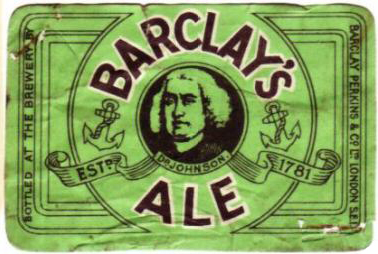 Brewing
logs from the Courage archive in the London Metrpoloitan Archive.
Brewing
logs from the Courage archive in the London Metrpoloitan Archive.